Picking a pizza franchise is one of the biggest financial decisions you’ll ever make. But the options are all over the map: food trucks, full-service Italian dining rooms, delivery-only ghost kitchens. Each comes with its own price tag, daily grind, and upside.
This guide breaks down the major categories in the pizza industry. We’ll discuss what actually drives your initial investment and a simple framework for sizing up any pizza franchise opportunities that land on your desk. The items below are informational only, not concrete business advice. Always verify the details in the franchise disclosure documents before you sign.
The State of the Pizza Franchise Industry
Each pizza franchise category comes with its own business model and its own investment level. Fast casual pizza and gourmet concepts lean into artisan-style pies with premium toppings. Italian and wood-fired brands build full dining experiences around specialty cooking methods. Delivery-focused and food truck franchises go mobile, with lower real estate costs to match.
Which one fits you? That’s the first question worth answering before you spend a dollar.
Here’s why pizza keeps attracting franchise owners across the United States: Pizza has nearly universal appeal. People order pizza for convenience, for celebrations, or for a rough Tuesday that needs fixing. That steady demand means reliable traffic for a pizza restaurant.
What’s changed is how people want that pizza to reach them. Digital ordering, third-party delivery apps, curbside pickup have reshaped daily operations across the industry. Brands that adapted early already have the systems in place. Newer concepts are still playing catch-up.
Types of Pizza Franchises to Consider
Fast Food Pizza Franchises
Fast food pizza franchises offer speed and value and are dominated by national chains with big advertising budgets, standardized menus, and kitchens built for volume.
This model shines in markets where price drives the decision. Margins run thin per order, but volume makes up the difference. Most fast food pizza concepts skip the dine-in room entirely and focus on delivery and carryout instead.
Fast Casual Pizza Franchises
Fast casual pizza lives in the middle ground between quick service and a full restaurant experience. Customers build their own pies from a lineup of fresh ingredients, then watch them cook in minutes flat.
Open kitchens and visible prep signal high quality in a way fast food counters just can’t match. Ticket averages climb higher here, even if customer counts run a bit lower. The pitch is simple: a better product, faster than a sit-down restaurant.
Gourmet Pizza Franchises
Gourmet pizza franchises lean on premium ingredients and often feature chef-driven menus. Here, the dining experience matters just as much as what’s on the plate.
Customers here will pay more for specialty toppings, house-made dough, and curated beverage pairings. The trade-off? Smaller volume and higher food costs. Gourmet concepts tend to thrive in markets with strong dining cultures and higher household incomes.
Italian Pizza Franchises
Italian pizza franchises usually go beyond pizza altogether with pasta, subs, salads, and appetizers. That broader menu often pulls in families and groups with different tastes at the same table.
More menu means more complexity in the kitchen. But the family-dining atmosphere opens the door to higher per-table spending and repeat visits throughout the week.
Wood Fired Pizza Franchises
Wood-fired pizza franchises differentiate by cooking methods alone. That high-heat oven produces a char and flavor that offers a unique experience.
Many wood-fired concepts pair their pies with craft beer or wine, building a taproom vibe around the oven. The downside? Equipment costs run higher, and staff training takes longer. This cooking technique takes real skill to master and can be difficult to scale.
Pizza Buffet Franchises
Pizza buffet franchises run on all-you-can-eat pricing and a rotating lineup of pies, sides, and desserts. It’s a model built for families, youth sports teams, and big groups chasing affordable dining.
You’ll need more real estate than most other pizza formats. The dining room is the whole point here. Lunch and weekend traffic tends to carry the week. Buffet concepts do especially well in suburban and rural markets.
Pizza Delivery Franchises
Delivery-focused franchises cut dine-in seating way down, sometimes to zero. Some run as pure ghost kitchens through other restaurant concepts, with no customer-facing space whatsoever.
Less square footage means lower rent and lighter buildout costs. But success here hinges on delivery logistics, driver availability, and tech integration.
Pizza Food Truck Franchises
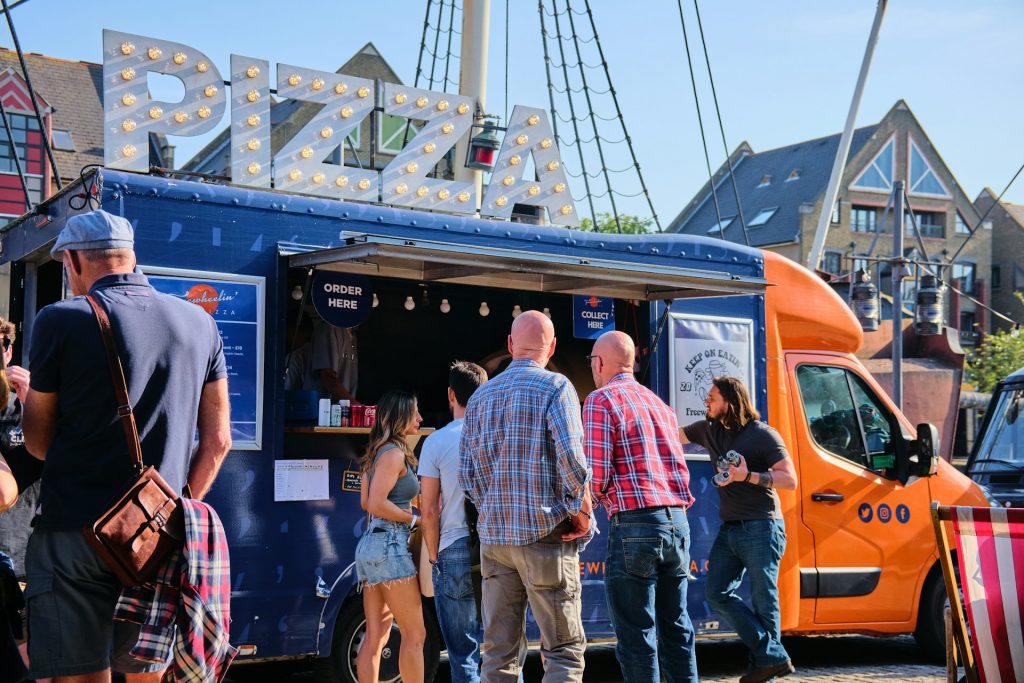
Pizza food truck franchises offer the lowest barrier to entry in the pizza industry, full stop. A mobile unit skips the traditional lease entirely and cuts buildout expenses way down.
The trade-off is unpredictability. Weather, event schedules, local permitting — all of it swings revenue week to week. Food trucks suit operators who want flexibility and don’t mind a catering-heavy business model.
| Franchise Type | Service Format | Typical Setting | Operational Complexity |
| Fast Food | Delivery, carryout | Strip centers, standalone | Lower |
| Fast Casual | Dine-in, carryout | Lifestyle centers, urban | Moderate |
| Gourmet | Dine-in | Upscale retail, downtown | Higher |
| Italian | Full service | Suburban plazas | Higher |
| Wood Fired | Dine-in, taproom | Entertainment districts | Higher |
| Buffet | Dine-in | Suburban standalone | Moderate |
| Delivery | Delivery only | Industrial, ghost kitchen | Lower |
| Food Truck | Mobile, events | Variable | Lower |
What It Costs to Open a Pizza Franchise
Your initial investment breaks down into a handful of moving pieces. Get familiar with each one, and you’ll be able to compare opportunities apples to apples.
- Franchise fee: A one-time payment covering brand rights, initial training, and access to proprietary systems. Franchise fees vary widely by brand and territory size.
- Buildout costs: Construction, permits, signage, interior finishing — it adds up fast. Costs shift quite a bit depending on whether you’re converting an existing space or building from scratch.
- Equipment: Ovens, refrigeration, prep tables, point-of-sale systems. Wood-fired and gourmet concepts often need specialized equipment on top of the basics.
- Working capital: Funds that cover payroll, inventory, and operating expenses before your location turns a profit. Most franchisors require three to six months of reserves, so budget accordingly.
Your liquid capital determines which pizza franchise opportunities are actually realistic for you. A food truck franchise needs far less than a full-service concept with a taproom attached.
How to Evaluate a Pizza Franchise Opportunity
Step 1. Study the brand’s regional and national growth
Where does the brand already operate, and where’s it headed next? A franchise performing well in markets similar to yours gives you a real reference point, not just a sales pitch.
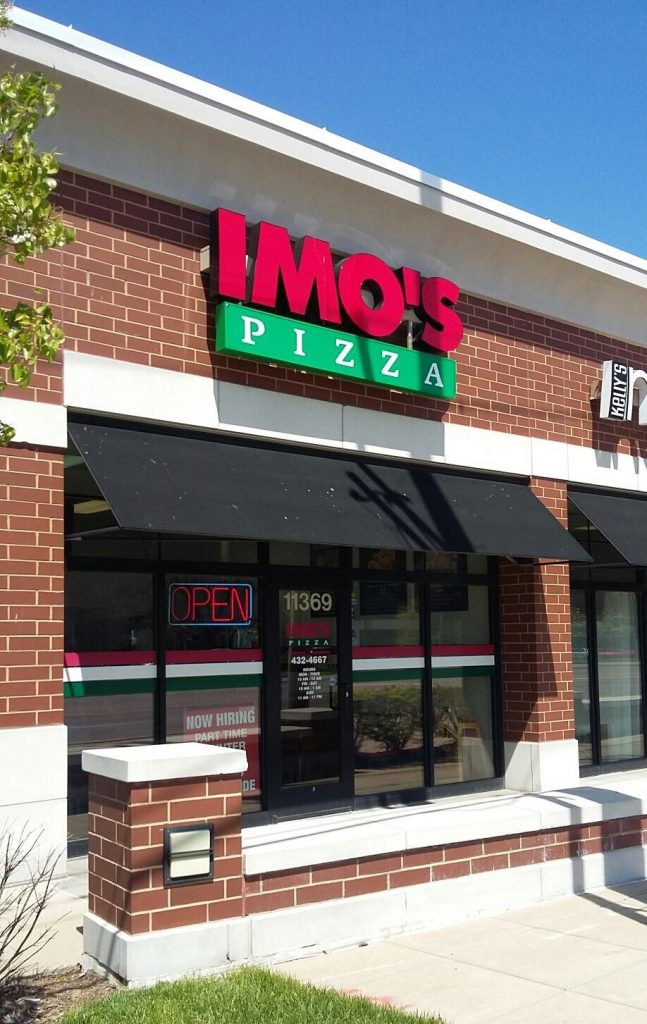
Regional brands with deep local roots often carry built-in customer loyalty that national chains simply can’t replicate. Imo’s Pizza, for example, has spent six decades building a devoted following across Missouri, Illinois, and Kansas. That kind of recognition hands new franchise owners a head start from day one.
Step 2. Review the Franchise Disclosure Document
The Franchise Disclosure Document (FDD) is a legal document the FTC requires every franchisor to hand over. Franchise disclosure documents run 23 items deep, covering everything from fees to litigation history to franchisee contact information.
A few sections deserve extra attention:
- Item 7: Estimated initial investment
- Item 19: Financial performance representations (if provided)
- Item 20: List of current and former franchisees
Item 19 is optional. If it’s missing, that may mean the franchisor prefers not to disclose earnings data. Pay attention to that detail, especially if other red flags are present.
Step 3. Weigh the training and ongoing support
How long is the training program, and where does it happen? Some franchisors fly new owners to headquarters for weeks of classroom and hands-on instruction. Others hand you a manual and wish you luck.
Training and support shouldn’t stop on opening day. Ask about field visits, marketing assistance, and operational coaching once your doors are open. A franchisor that vanishes after collecting your fee? That’s a red flag worth heeding.
Step 4. Vet the supply chain and ingredients
Does the franchise run on commodity ingredients any distributor can supply, or does it have proprietary recipes and exclusive suppliers? That distinction shapes both quality consistency and your ability to stand out in a crowded pizza chain landscape.
Brands with proprietary supply chains offer something competitors simply can’t copy. Imo’s, for instance, has exclusive Provel® cheese and signature recipes through Imo’s Foods, Inc. That exclusivity becomes a genuine competitive edge in your market.
Step 5. Talk to current franchise owners
The FDD includes contact information for every current franchisee. Use it. Call franchise owners in markets similar to yours and ask direct, uncomfortable questions about their experience.
How responsive is the franchisor when something goes sideways? How long before the location turned a profit? What would they change if they could do it all again? Conversations like these reveal more than any glossy sales presentation ever will.
Why Regional Pizza Brands Outperform National Chains
National chains have name recognition. But regional brands often carry something more valuable: real customer loyalty, earned over decades, not bought with an ad budget.
- Established loyalty: Customers already know and crave the product. You’re bringing a beloved brand into a new neighborhood, not gambling on an unknown concept.
- Less competition: Fewer existing locations means more territory to claim, and less saturation to fight through.
- Community connection: Local roots create authentic stories that resonate with customers who are tired of generic national advertising.
Imo’s Pizza has been serving St. Louis-style pizza since 1964. That kind of history, paired with a product you can’t find anywhere else, gives franchise owners a foundation brand-new concepts simply can’t match.
Red Flags to Watch for When Choosing a Pizza Franchise
Not every franchise opportunity is worth pursuing, plain and simple. Watch for these warning signs during your evaluation:
- High franchisee turnover or litigation history in the FDD
- Vague or missing Item 19 financial disclosures
- Weak training programs or no ongoing support structure
- Pressure tactics to sign quickly without adequate time for due diligence
A franchisor confident in its business model will give you time to review the franchise disclosure documents, talk to existing owners, and make an informed decision. Rushing is rarely a good sign.
Finding the Right Fit for Your Market and Goals
The right pizza franchise balances brand strength, support systems, and a product that stands apart. It should fit your local market and match how you actually want to spend your days.
What kind of business do you actually want to run, day to day? High-volume and fast-paced, or a more relaxed dining atmosphere? A national brand with heavy marketing muscle, or a regional icon with real, earned customer loyalty?
Imo’s Pizza offers a franchise opportunity built on six decades of St. Louis tradition, proprietary recipes, and a supply chain that delivers a product no competitor can replicate. Looking for a pizza franchise with deep roots and real, ongoing support behind it? We’d love the chance to tell you more.
Frequently Asked Questions About Pizza Franchises
What is the cheapest pizza franchise to open?
Pizza food truck franchises and delivery-only concepts typically have the lowest startup costs. Less square footage and a lighter equipment investment keep the initial investment down.
Which pizza franchise is the most profitable?
Profitability comes down to location, operational efficiency, good management, and local demand, not brand name alone. Review Item 19 in each brand’s franchise disclosure documents for reported financial performance data, and talk to current franchisees about their actual, real-world results.
How long does it take to open a pizza franchise?
The timeline from signing a franchise agreement to opening day typically runs six months to over a year. Site selection, lease negotiation, permitting, and buildout complexity all factor into where you land on that range.
Can I own more than one pizza franchise location?
Most pizza franchises offer multi-unit development agreements for qualified investors. These let you open several locations within a defined territory over a set timeline, often with reduced franchise fees for each additional unit.
Do I need restaurant experience to own a pizza franchise?
Although prior restaurant experience can be an advantage, many pizza franchises welcome first-time restaurant owners. Comprehensive training programs cover operations, food preparation, staffing, and business management from the ground up. What matters more than prior experience is your commitment to learning the business, following the system, and serving your community well.